
Culture of
Gangnam
I think the music video of “Gangnam Style” is full of subtexts reflecting on South Korea’s burgeoning culture of consumer excess. South Korea is experiencing a sky-high credit card debt rate. Since 2010, the average household carried credit card debt worth around 150 percent of their disposable income. An ordinary South Korean carries up to 5 credit cards, which is the highest number in the world. (Shilling, 2014) As shown in the “Gangnam Style” video, usury flyers are all over streets. However, liabilities have not changed Korean’s consuming habit. Since the mid-1990s, South Koreans have been living on credit. The reasons are that the state's incredible economic growth made borrowing seems safe, and the government also encouraged on private spending to get rid of the Asian financial crisis in the late 1990s. (Fisher, 2012) Also, TV drama and variety shows portray a lot of images of Chaebol families and showcase the high-class lifestyle, which has implanted a perception that concentrates on material enjoyment in majority Koreans' mind. There is a joke poking fun at Doenjangnyeo (soybean paste women) who eat 2,000-won (about S$3) ramen for lunch and then spend 6,000 won (about S$9) on Starbucks coffee. I found it is ridiculous but fascinating that they crimp on essentials to save money to over-spend on conspicuous luxuries. The emphases of massive expenditure in society, combined with growth from agrarian poverty to economic powerhouse, have engendered the country to focus more on materialism.
Moreover, when people talk about Gangnam-styled girls, the first thing come to mind is cosmetic surgery. The impact of digital art and culture shows here as the flourishing entertainment industry caused people to get overly obsessed with looks. K-pop is an international phenomenon. Besides the catchy tunes and synchronised dance moves of the songs, the stars with perfect faces are more fascinating. Average people also want to have those big eyes, high noses and narrow jawlines, which are the features not inherently Korean. Hence, they rely on plastic surgery to make their dream come true. Also, there are many variety shows in Korea, like "Let Me In" and "Get it Beauty", promote cosmetic surgery by showing how people's image and life have changed before and after the surgery. According to The Economist, South Korea has the highest rate of cosmetic procedures per capita in the world. There is a strip in Gangnam known as the "beauty belt", which filled with hundreds of plastic surgery clinics and hospitals. Together with the culture that equates success, plastic surgery has developed to be a significant part of the Gangnam style.
The state’s commitment to a prosperous urban community resulted in the promotion of exclusive social privilege for certain groups and created frenzy competition for climbing the social ladder. As a wealthy kid grew up in Gangnam, Psy states that people who are from Gangnam never proclaim their identity, it is only the posers and wannabes that put on these airs and say that they live in “Gangnam Style.” (Cha, 2012) State planners in South Korean orchestrated the space of the Neighbourhood Unit which is a highly communitarian-based urban design intersected with the social milieu of South Korean society. A few premier colleges and their after-college social networks determine the upward social mobility and reproduction of social relations. (Kim, 2014)
Hence, for South Korea's middle class, settling down in Gangnam means closer to South Korea's high society as it provides the opportunity to enjoy all kinds of high-quality resources. Squeezing into Gangnam, men from other regions will need to study hard and admit into top universities to get a job in big companies in Gangnam. Women, who want to find a job in Cheongdam-dong, will spend half a year's wages to buy one set of decent clothes and bags and even conduct plastic surgery. In conclusion, I feel that Korean people would try all sorts of methods to overcome the underlying hierarchy and blend in Gangnam society to improve social status and confer benefits to their next generation.
To me, Gangnam is the Korean equivalent of Wall Street, Beverly Hills and Manhattan’s Upper East Side all rolled into one. According to the singer of “Gangnam Style” Park Jae-sang (Psy), people’s perceptions of Gangnam residents are “good-looking due to the help of plastic surgery, slim because of yoga and trainers in the gym and stylish as they can splurge on luxury goods.” (Cha, 2012) He used this song to portray the South Koreans' "love-hate” relationship with Gangnam.


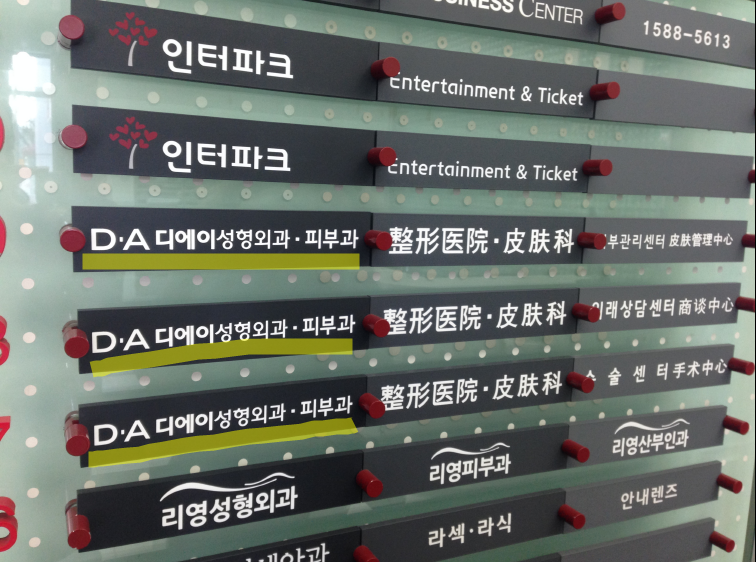


*A video reflects the plastic surgery culture of Gangnam lifestyle